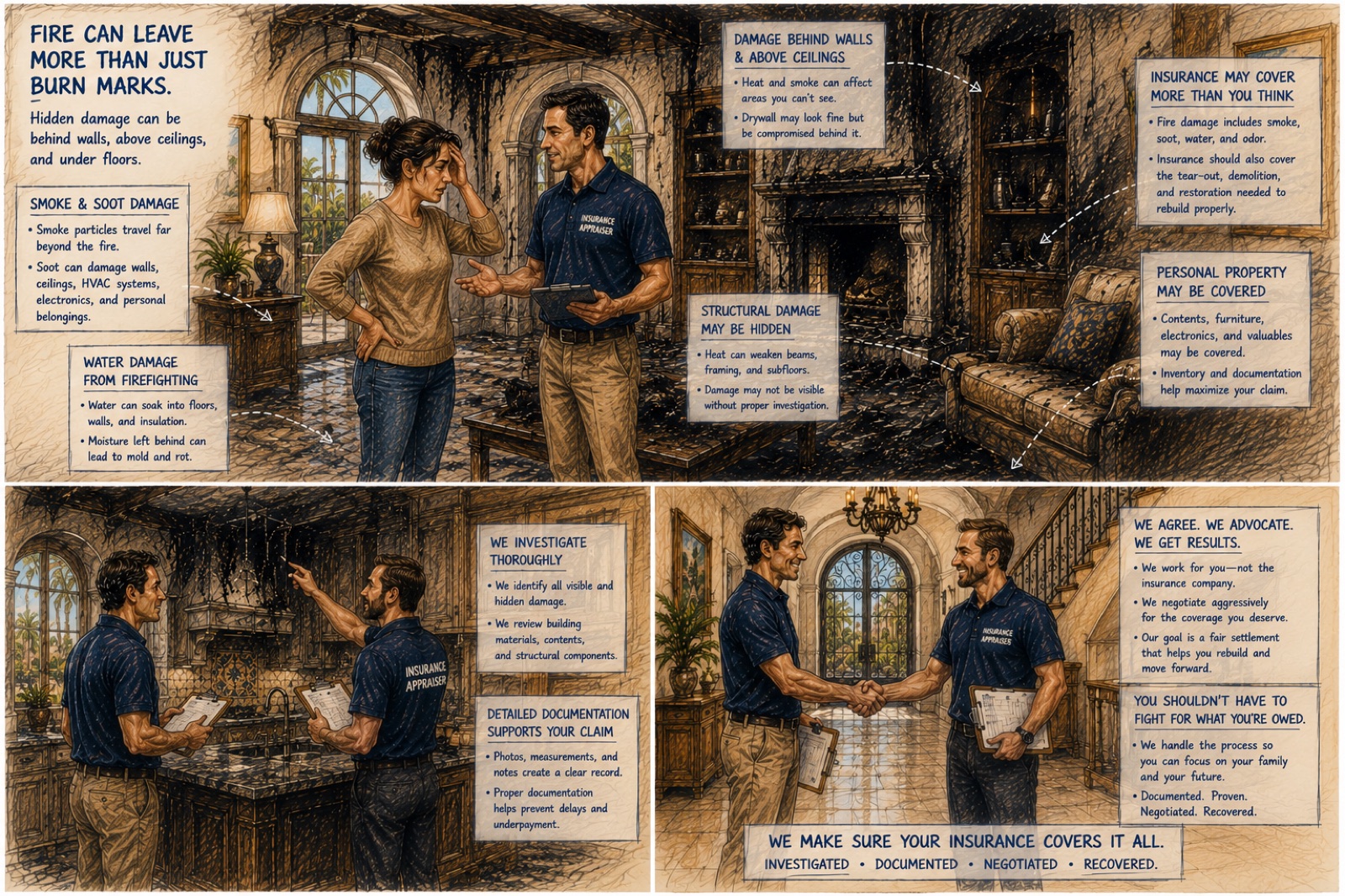
Full scope of loss, not theirs
We rebuild the entire scope from scratch — every damaged material, every code-required upgrade, every matching cost. Our scope routinely runs 2× to 5× the insurer's because it captures what their adjuster excluded.
Your insurer accepted the claim but paid far less than the actual damage. Negotiation failed. The appraisal clause in your policy forces a binding resolution — we serve as your appraiser, build an airtight scope of loss, and make the insurer face a neutral umpire with the real number.
Free Appraisal Review
No obligation. We respond within 1 hour during business hours.
The insurer accepted coverage. They sent their adjuster. They wrote a scope of loss that excludes line items, understates pricing, and overstates depreciation — then offered a settlement built on that scope. When you pushed back, they slow-rolled the file and waited for you to give up.
The appraisal clause ends that game. It's written into nearly every property insurance policy and it forces a binding resolution on the amount of loss — without litigation. Each side picks an appraiser. The appraisers agree on a neutral umpire. Two of three signatures bind the insurer to pay the real number.
We rebuild the entire scope from scratch — every damaged material, every code-required upgrade, every matching cost. Our scope routinely runs 2× to 5× the insurer's because it captures what their adjuster excluded.
Insurers default to pricing software set well below actual contractor rates. We document real bids from licensed contractors in your market — and force the umpire to consider the real cost of putting your property back.
Insurers overstate depreciation to slash your ACV payment and the RCV holdback. We document actual condition, useful life, and policy-allowed exceptions — and recover what was wrongly held back.
Appraisal Coverage
Any covered property damage where the insurer's number is wrong — we serve as your appraiser and fight for the real amount.
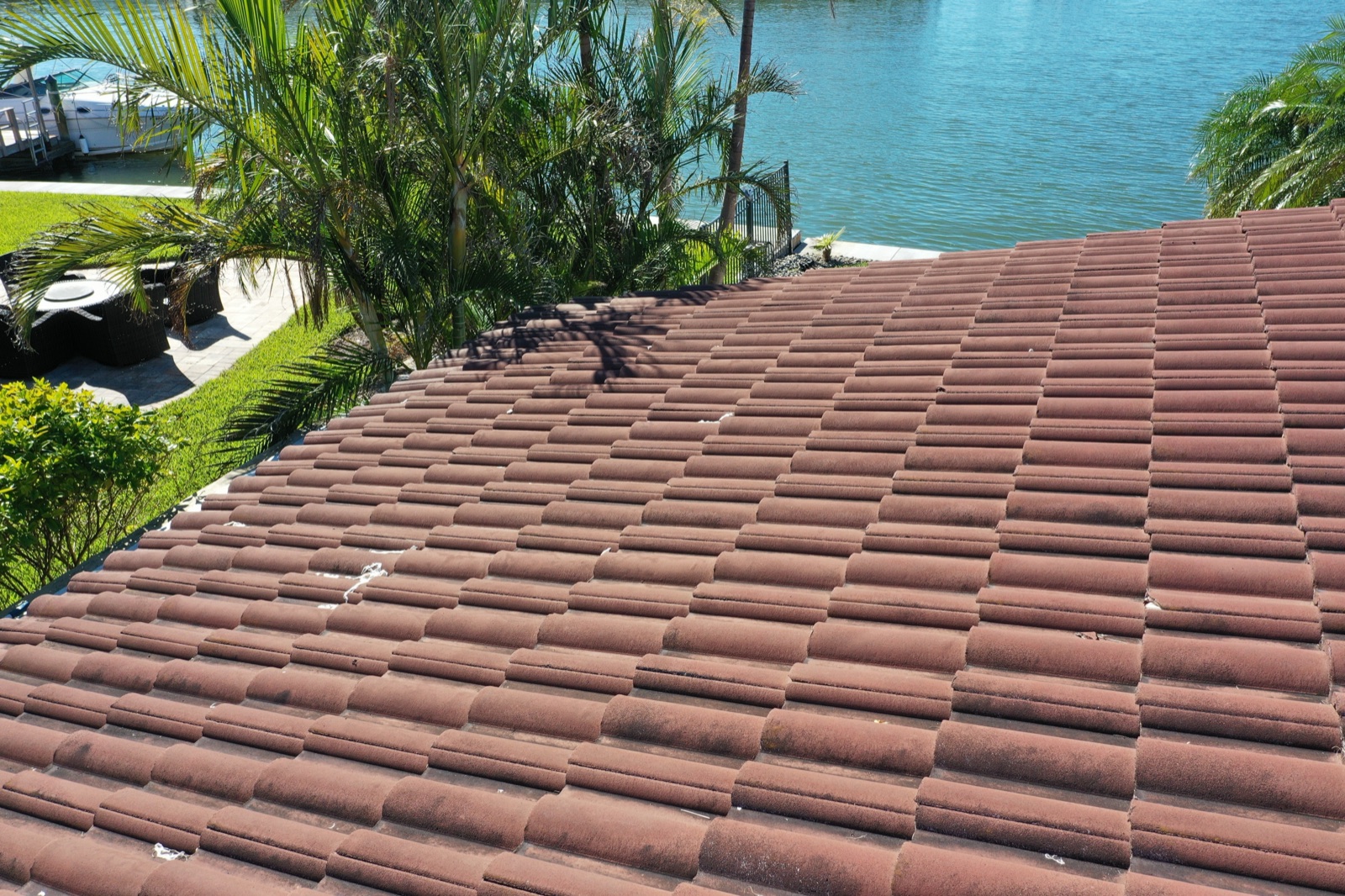
The most common appraisal disputes in Florida. Insurers routinely underpay hurricane claims — underestimating roof replacement scope, missing secondary damage, and applying improper depreciation on materials and contents.
Pipe burst, HVAC leak, and flooding claims where the insurer acknowledged coverage but wrote a scope that omits structural drying costs, subfloor damage, cabinet replacements, and matching finishes.
Fire claims with complex smoke contamination, structural damage, and contents loss are frequently underpaid. We document the full physical and odor contamination scope and fight for complete remediation and replacement costs.
Office buildings, retail centers, and multi-family properties with large underpaid claims. Commercial appraisals involve business interruption calculations, tenant improvement buildouts, and higher per-unit repair costs — we build every coverage angle.
Prior claims that were underpaid and closed. We reopen with a supplemental damage scope, document items the original adjuster missed, and invoke appraisal if the insurer refuses to pay the correct supplemental amount.
Roof claims where the insurer refuses to authorize full replacement, misclassifies storm damage as wear-and-tear, or underpays the replacement cost value. We document the true condition and fight for a binding replacement cost award.
Appraisal Outcomes
These are actual appraisal awards. The insurer's initial offer is what they hoped you'd accept.
How It Works
We handle everything — so you can focus on restoring your home, not fighting your insurance company.
Step One
We review your policy, the insurer's scope, the offer letter, and the actual damage. We tell you straight whether appraisal is the right tool — and whether the recovery delta justifies invoking it. No charge, no obligation.
Step Two
We formally invoke the appraisal clause under your policy language. We rebuild the entire scope of loss from scratch — every damaged item, every code upgrade, every matching cost — backed by real contractor pricing and documentation that survives umpire scrutiny.
Step Three
We serve as your appraiser. We agree with the insurer's appraiser on a neutral, qualified umpire — or petition the court to appoint one if needed. We handle every procedural step so the process moves forward and the insurer can't stall.
Step Four
We present our scope, walk the property with the umpire, and argue every line item. Two of three signatures bind the insurer to pay the award. The insurer must issue payment within their policy's time limit. Our fee is a percentage of the recovery above their last offer — nothing if we don't beat it.
The appraisal clause is a provision in most property insurance policies that allows either party to demand a binding resolution to a dispute over the amount of loss. Each side picks a competent, disinterested appraiser. The two appraisers select a neutral umpire. The award of any two of the three signatures (typically one appraiser plus the umpire) becomes binding on both parties — without litigation.
Invoke appraisal when your insurer has accepted coverage but the amount they offered is substantially below your covered loss — and good-faith negotiation has stalled. Appraisal is the right tool for amount-of-loss disputes; it doesn't resolve coverage denials, but it ends the negotiation game and forces a binding number. If your claim was outright denied, talk to us first — that's a different fight.
Each side pays its own appraiser, and the umpire's fee is typically split 50/50. We work on contingency — our fee is a percentage of the recovery above the insurer's last offer. If we don't recover more than they offered, you owe nothing. There are no upfront fees and no charge for the initial review.
Most appraisals resolve in 60 to 120 days from invocation, depending on scope complexity, appraiser availability, and whether an umpire is needed. This is dramatically faster than litigation, which can take years. We move the process forward aggressively while maintaining the procedural integrity that protects your award.
No. The appraisal clause is contractual — once properly invoked under the policy language, the insurer must participate. If they refuse or delay, that itself creates a bad-faith claim. We handle the formal invocation, all procedural requirements, and ensure the insurer cannot stall or wriggle out of the process.
Free Review
Whether the insurer just sent a lowball offer or you've been fighting them for months — appraisal can end it. We respond within one hour. No obligation, no pressure — just a straight assessment of what appraisal could recover for you.
No obligation · We respond within 1 hour