01
"Pre-existing condition" denials
The most common tactic. We tie the mold colony directly to the covered water event with photographic timelines, moisture readings, and lab analysis that close the door on this argument.
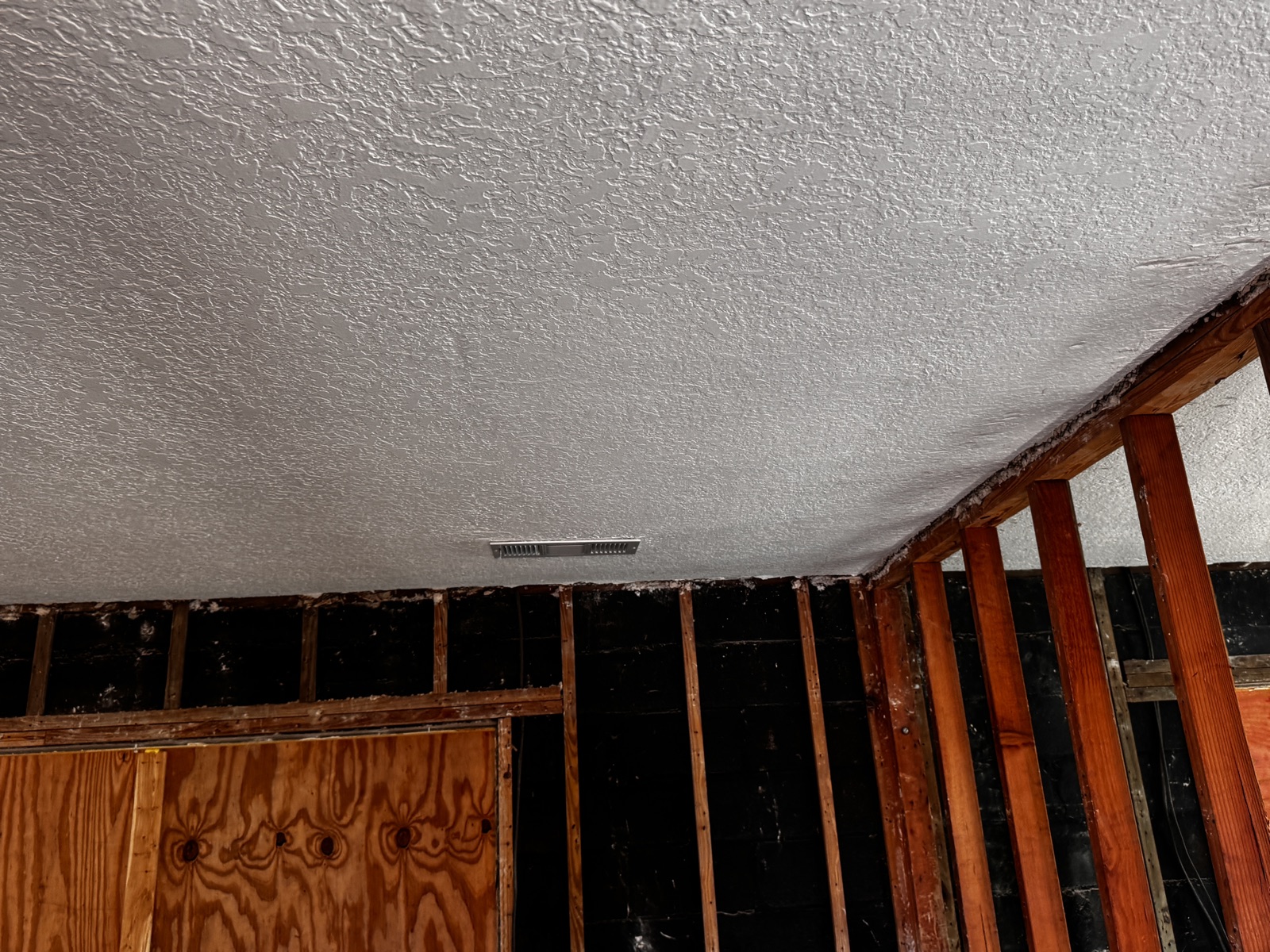
Mold claims are the most frequently denied in Florida. Insurers label it "pre-existing," apply a low sublimit, or deny remediation costs entirely — even when mold clearly resulted from a covered water loss. We document the moisture source, map the colony, and link it directly to your covered claim.
Free Claim Review
No obligation. We respond within 1 hour during business hours.
When a mold claim is filed, the insurance company's response is almost always the same: deny it as "pre-existing," cap it at a sublimit that doesn't begin to cover remediation, or argue the homeowner failed to mitigate.
These tactics work on policyholders who don't know their rights. They fail against a documented record that links the mold colony directly to a covered water event — built with thermal imaging, moisture mapping, lab samples, and a forensic timeline that holds up under scrutiny.
The most common tactic. We tie the mold colony directly to the covered water event with photographic timelines, moisture readings, and lab analysis that close the door on this argument.
Insurers apply a $5K or $10K mold sublimit without explaining the full coverage your policy provides. We challenge the cap and prove the loss falls under the primary water coverage — unlocking full remediation costs.
FLIR thermal imaging and moisture meters map what surface inspection misses — wall cavities, subfloors, HVAC contamination. Insurer estimates routinely exclude code-compliant remediation, biohazard protocols, and full containment.
Claim Coverage
Every type of mold damage situation — we know how to build and fight the claim for each one.
Mold resulting from burst pipes, roof leaks, HVAC failures, or appliance water releases. We link the colony to the covered water event and fight for full remediation under your policy.
Mold colonizing inside wall cavities, under flooring, and above ceiling tiles — invisible to the naked eye but detectable via FLIR thermal imaging and moisture mapping. We document the full hidden scope.
Mold inside air handlers, ductwork, and drain pans that distributes spores throughout the entire home. Requires full HVAC decontamination and air quality testing — costs insurers routinely exclude.
Toxic black mold requiring full demolition, containment, air scrubbing, and structural replacement. We document every phase of remediation required and fight for the full covered cost.
Mold following wind-driven rain intrusion, roof damage, or storm flooding. Particularly common in Florida's climate. We document the storm as the triggering covered event and claim remediation accordingly.
Office buildings, retail centers, warehouses, and multi-family properties. Commercial mold claims involve business interruption, tenant displacement, and higher remediation costs — we build every coverage angle.
Mold Damage Settlements
These are actual mold damage claim outcomes. The insurer's initial offer is what they hoped you'd accept.
How It Works
We handle the entire claim — so you can focus on getting your home restored, not fighting your insurer.
Step One
We visit your property with FLIR thermal infrared cameras and calibrated moisture meters to map the full extent of moisture and mold — including contamination hidden inside walls, floors, and ceilings. This inspection is free and comes with no obligation.
Step Two
We build a documented record connecting the mold colony to the covered water event — establishing timeline, moisture source, and migration path. This is the evidence that defeats "pre-existing" denials and forces insurers to engage on the full scope of loss.
Step Three
We prepare a complete remediation scope — demolition, air quality treatment, structural repairs, matching materials, contents, and living expenses. We submit the claim, respond to every denial tactic, and negotiate until your insurer pays what the policy requires.
Step Four
We don't close your file until you have the best possible outcome. If the insurer refuses to pay the full covered amount, we escalate — invoking the appraisal clause if necessary. Our fee is a percentage of what we recover, so our incentive is identical to yours.
Most homeowner's policies cover mold when it results directly from a covered water loss — such as a burst pipe, roof leak, or HVAC failure. The mold is considered secondary damage from the primary covered event. However, insurers routinely deny mold claims as "pre-existing," "gradual," or outside a low sublimit they apply without explaining your full coverage. A licensed public adjuster can document the connection between the covered water event and the mold, and fight for full remediation coverage.
This is the most common mold denial tactic. We counter it by documenting the moisture source, mapping the mold growth pattern relative to the water intrusion point, establishing a timeline of the covered water event, and demonstrating through moisture meter readings and thermal imaging that the mold colony is active and directly linked to the covered loss. Many "pre-existing" denials are successfully challenged with this kind of documentation.
We use FLIR thermal infrared cameras to identify moisture zones trapped behind walls, under floors, and inside ceiling cavities — the areas where mold colonizes before it surfaces. Thermal imaging shows temperature anomalies caused by moisture saturation, allowing us to map contamination without destructive testing. We combine this with calibrated moisture meters for confirmation. This documentation typically reveals a contamination scope far larger than what's visible.
When properly claimed, mold remediation coverage can include: demolition and disposal of contaminated drywall, insulation, and framing; containment setup; air scrubbing and negative pressure treatment; antimicrobial application; structural repairs and replacement materials; matching finishes; HVAC decontamination; air quality testing and post-clearance verification; contents cleaning or replacement; and additional living expenses if the home is uninhabitable during remediation. Insurers rarely volunteer the full scope — we build a claim that captures every covered line item.
Yes. In Florida, you generally have up to three years from the date of loss to pursue a first-party property insurance claim. If your mold claim was denied or the settlement fell short of actual remediation costs, you can dispute it. We review the original denial, identify the grounds for challenging it, document the actual damage scope with thermal imaging and moisture data, and formally re-engage your insurer. Supplement and reopen claims are a significant part of our practice.
Free Review
Whether you've just discovered mold or you're fighting a denial from months ago — we can help. Mold claims move fast and documentation windows close. Contact us now for a free, no-obligation review of your claim — we'll tell you exactly what it's worth and how we can challenge the denial.
No obligation · We respond within 1 hour
THIS IS A SOLICITATION FOR BUSINESS. IF YOU HAVE HAD A CLAIM FOR AN INSURED PROPERTY LOSS OR DAMAGE AND YOU ARE SATISFIED WITH THE PAYMENT BY YOUR INSURER, YOU MAY DISREGARD THIS ADVERTISEMENT.